RevOps Ownership of Commission Operations
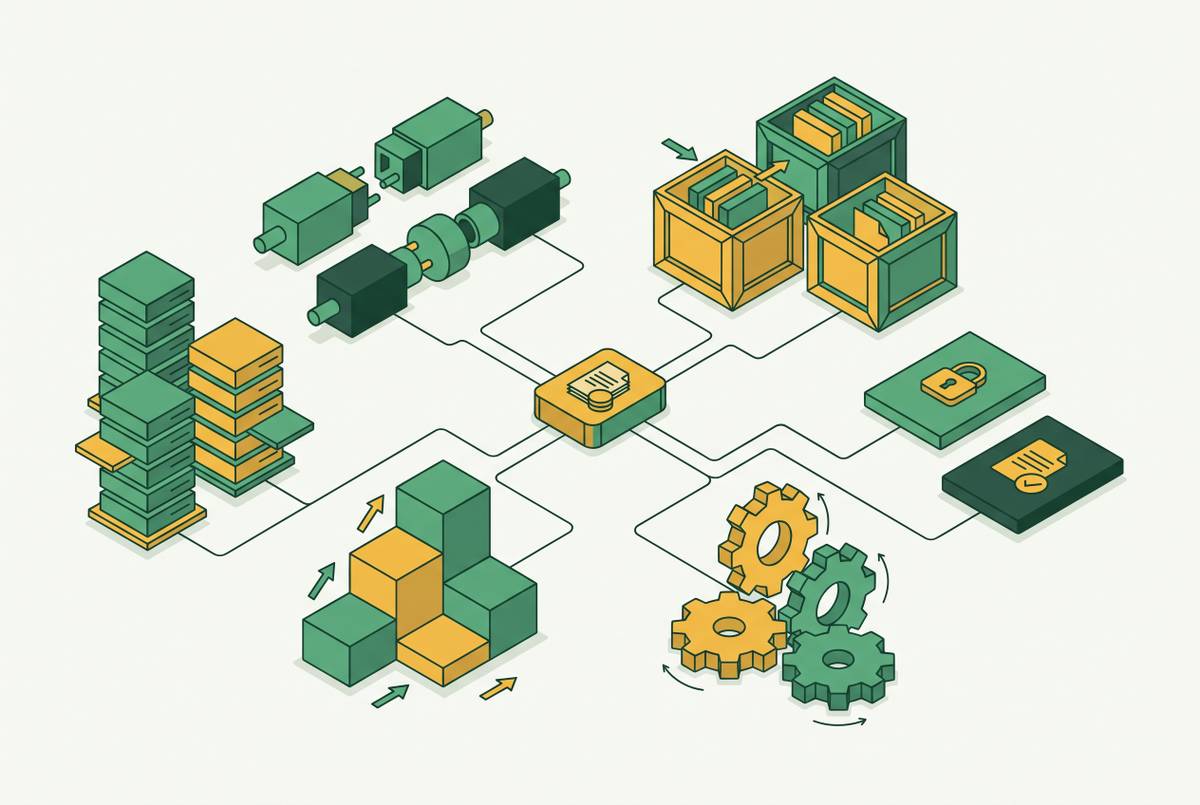
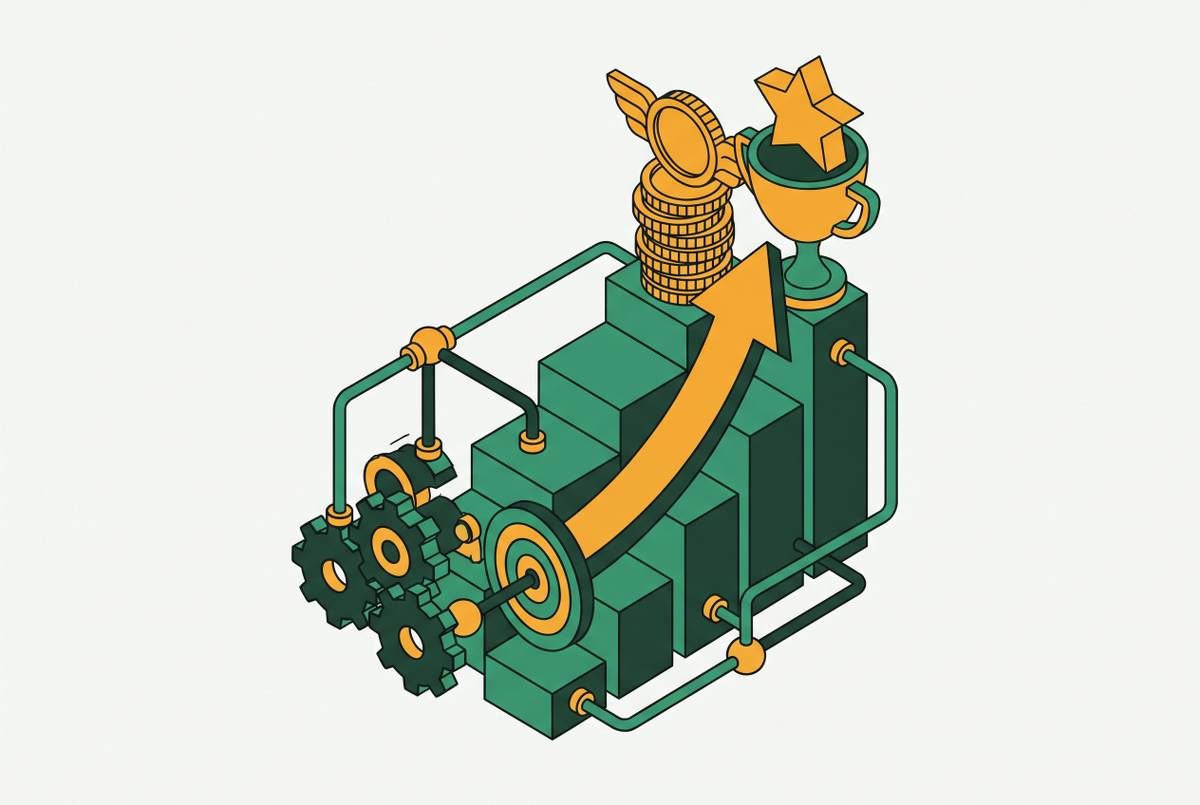
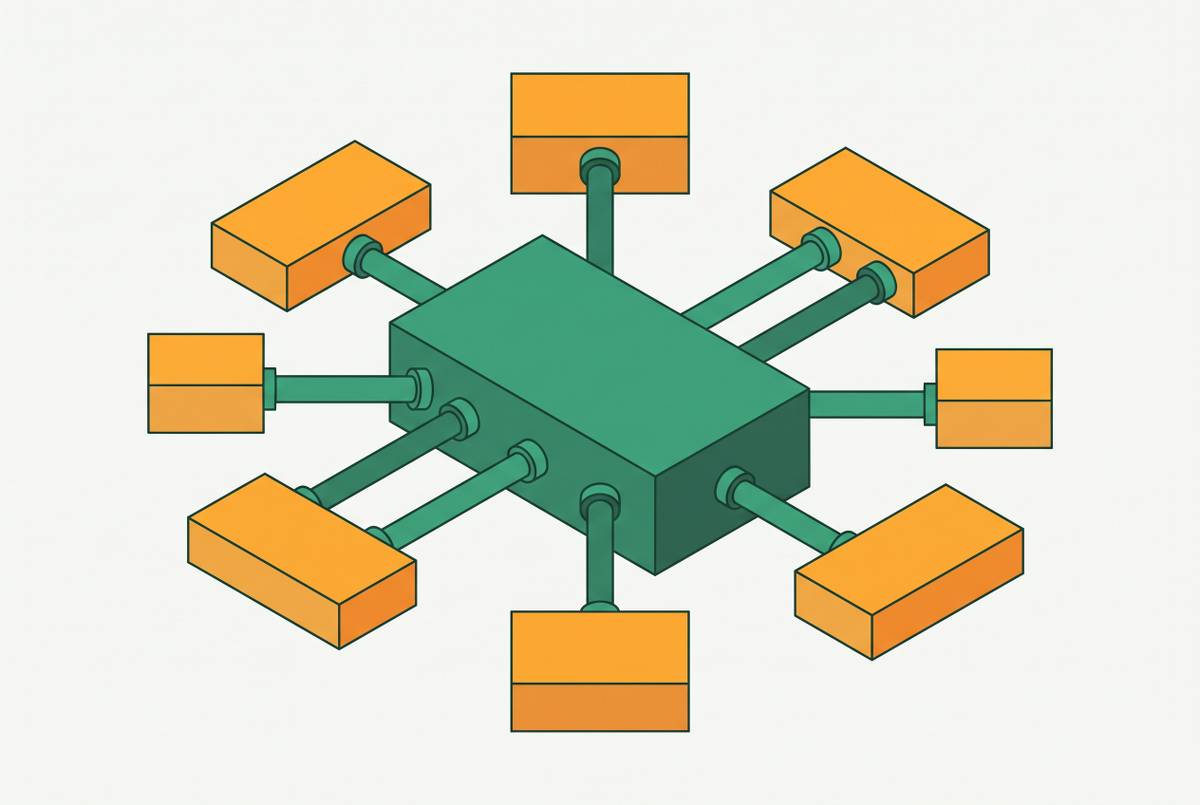
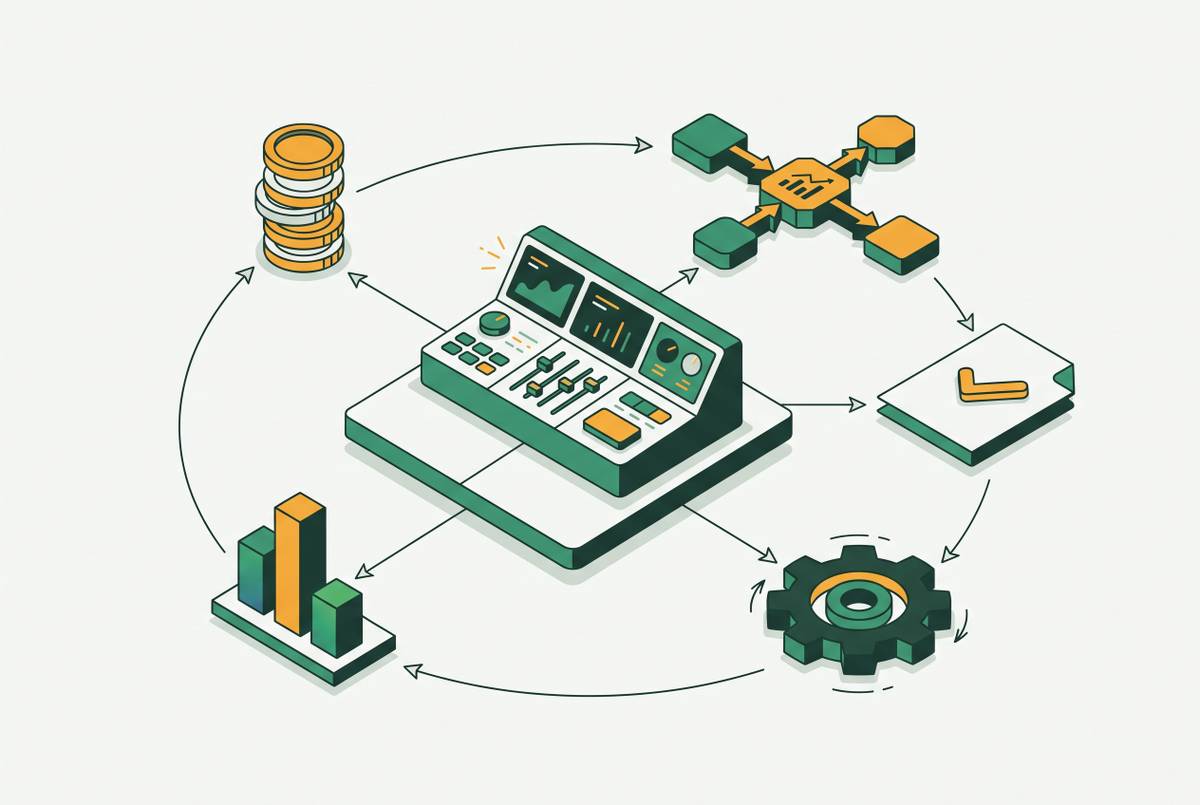
RevOps should own commission operations because it spans all three layers of the calculation.
Marcus Tull
Contributing Editor
Marcus spent a decade in finance and FP&A roles, including three years building incentive compensation models for a publicly traded medical device company. He bridges the gap between CFO-level cost scrutiny and the day-to-day realities faced by commissions administrators.
18 stories
RevOps should own commission operations because it spans all three layers of the calculation.
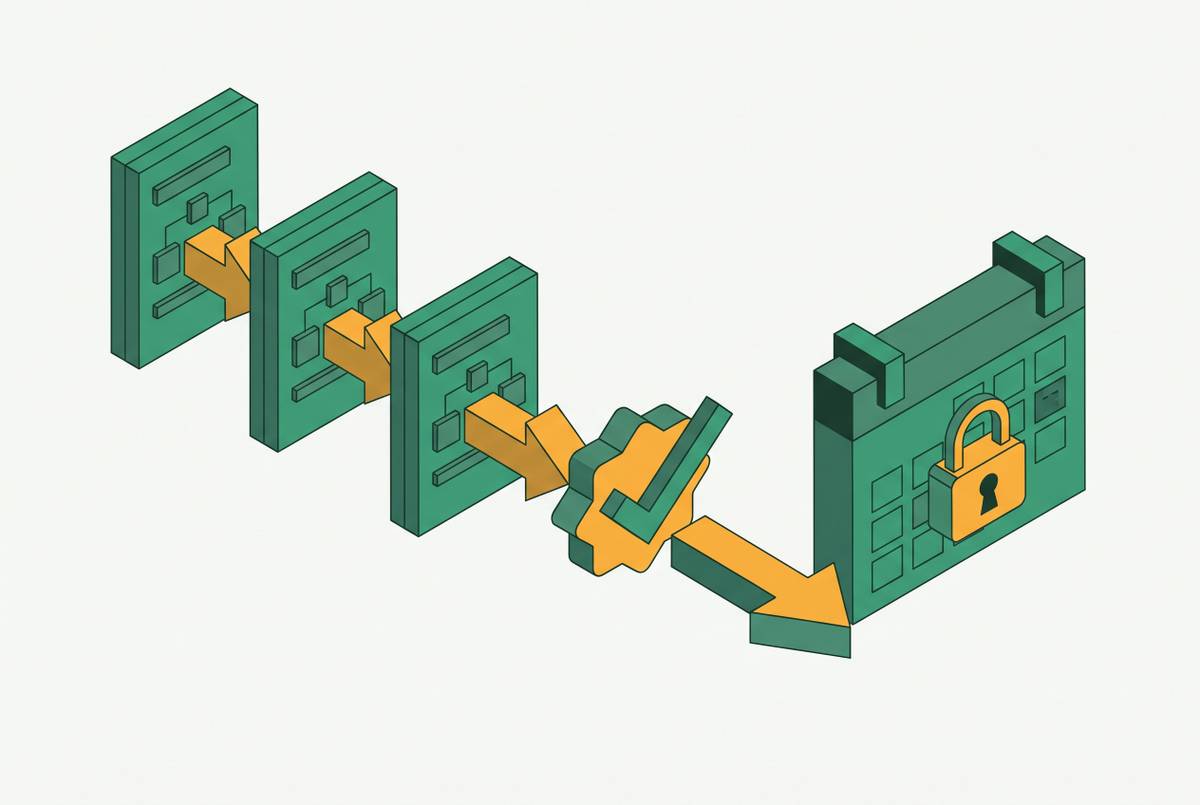
Approval workflows and period locks prevent commissions from staying provisional indefinitely.
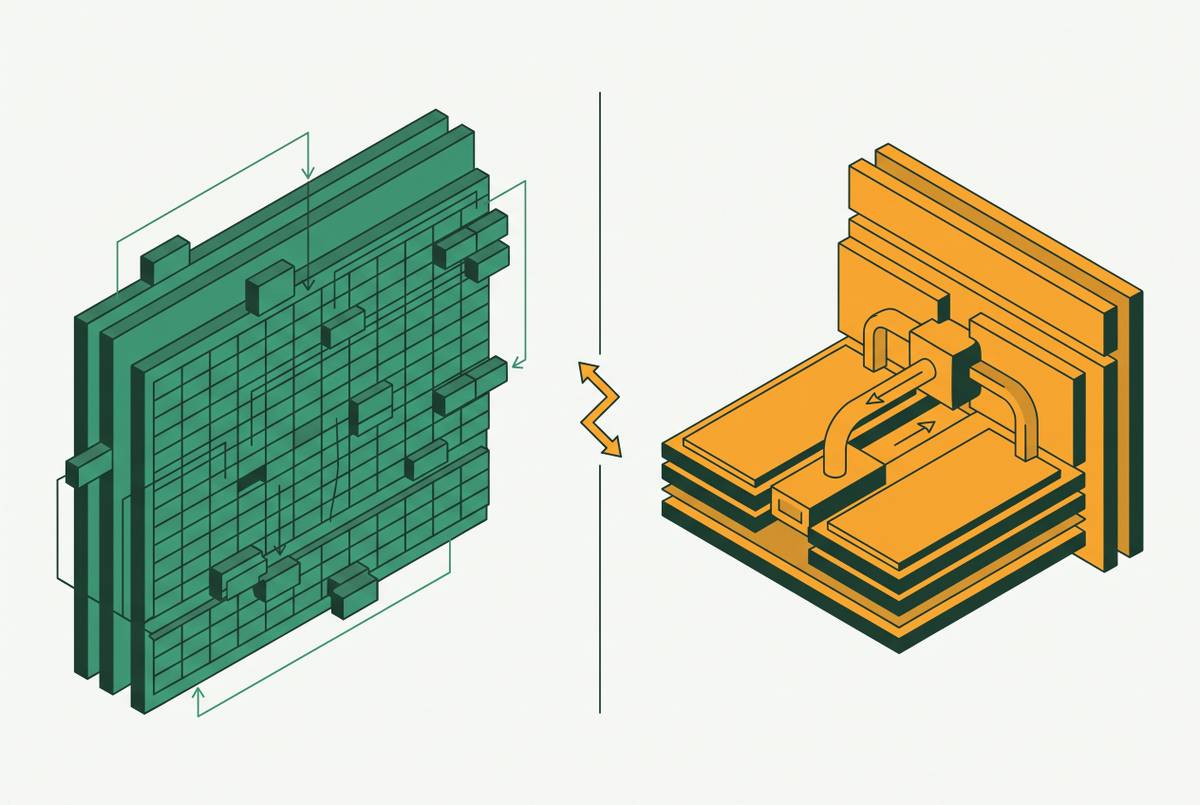
Dirty CRM data breaks commission calculations faster than most companies notice.
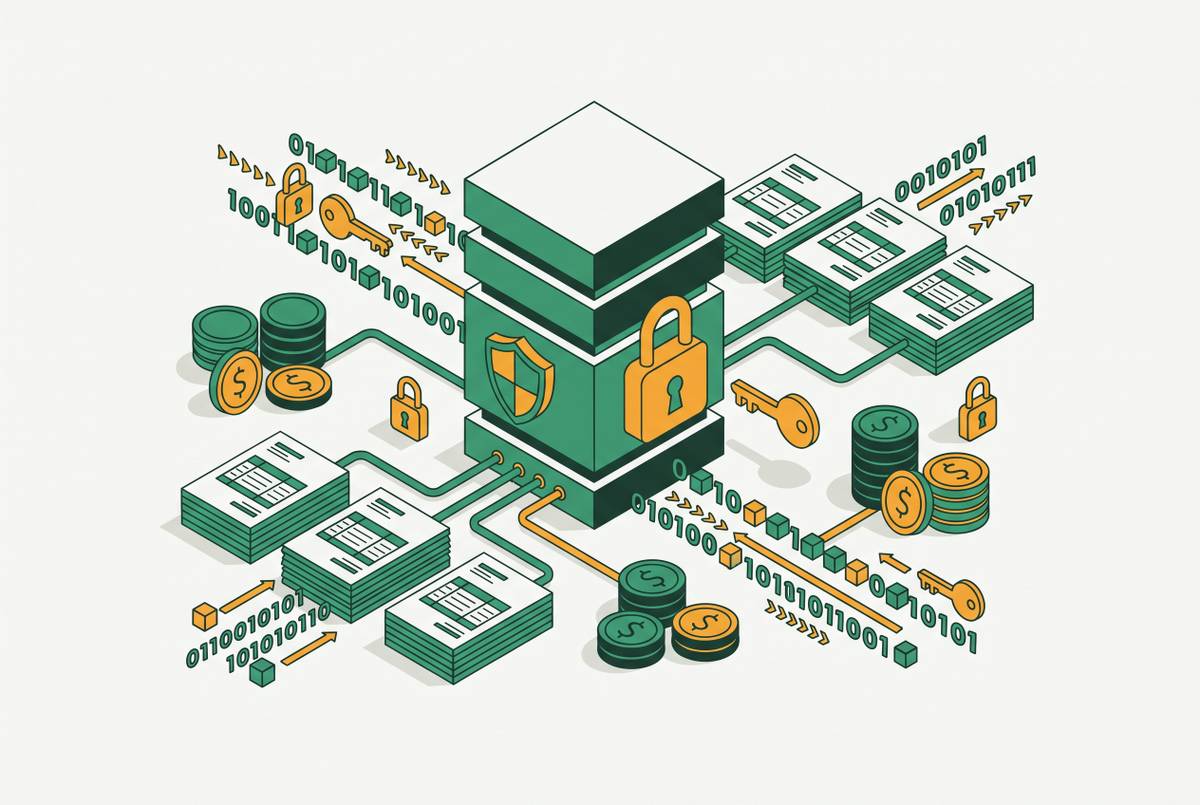
Commission data needs the same encryption and access controls that payroll systems already use.
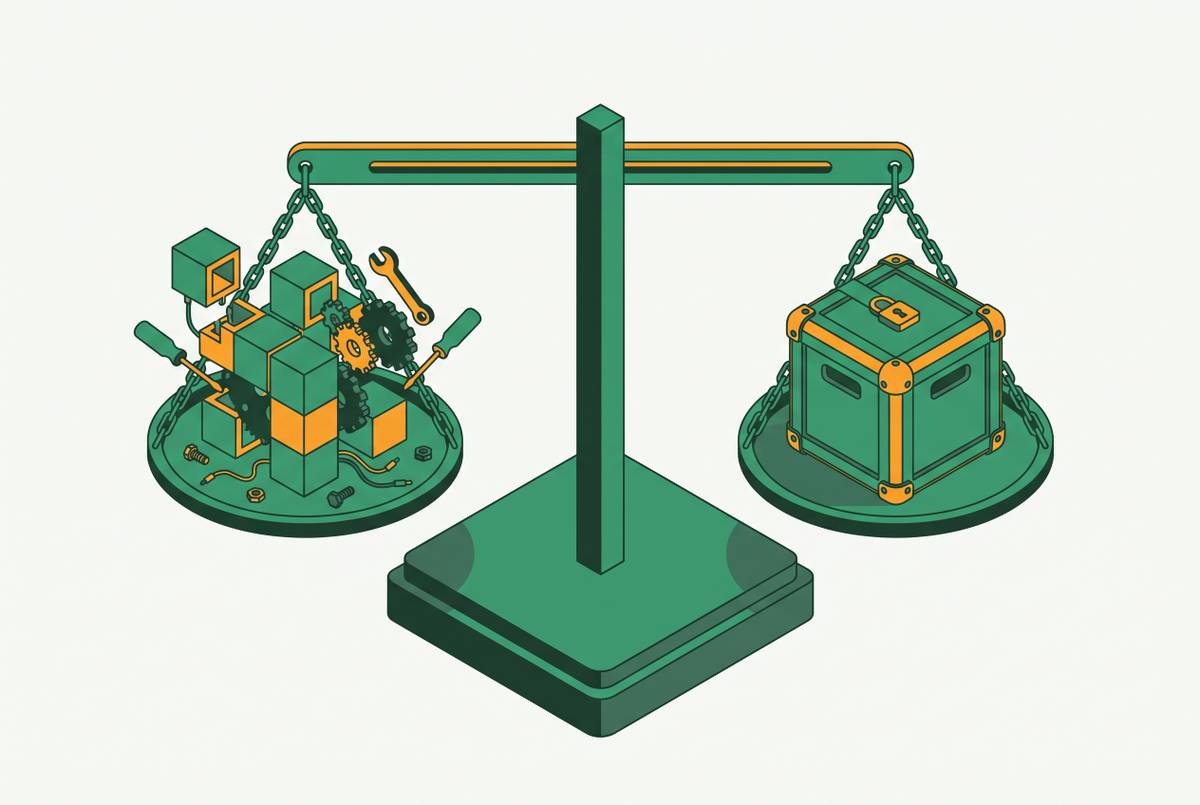
Hidden costs and audit risks often make buying cheaper than building over a system's full life.
Enterprise and mid-market ICM platforms price on opposite assumptions about who handles complexity.
Vendors deliberately gate commission features across tiers, forcing upgrades as teams grow.
Your actual cost arrives months later when implementation and integration fees hit the invoice.
Manual commission spreadsheets hide the true costs that software could eliminate.
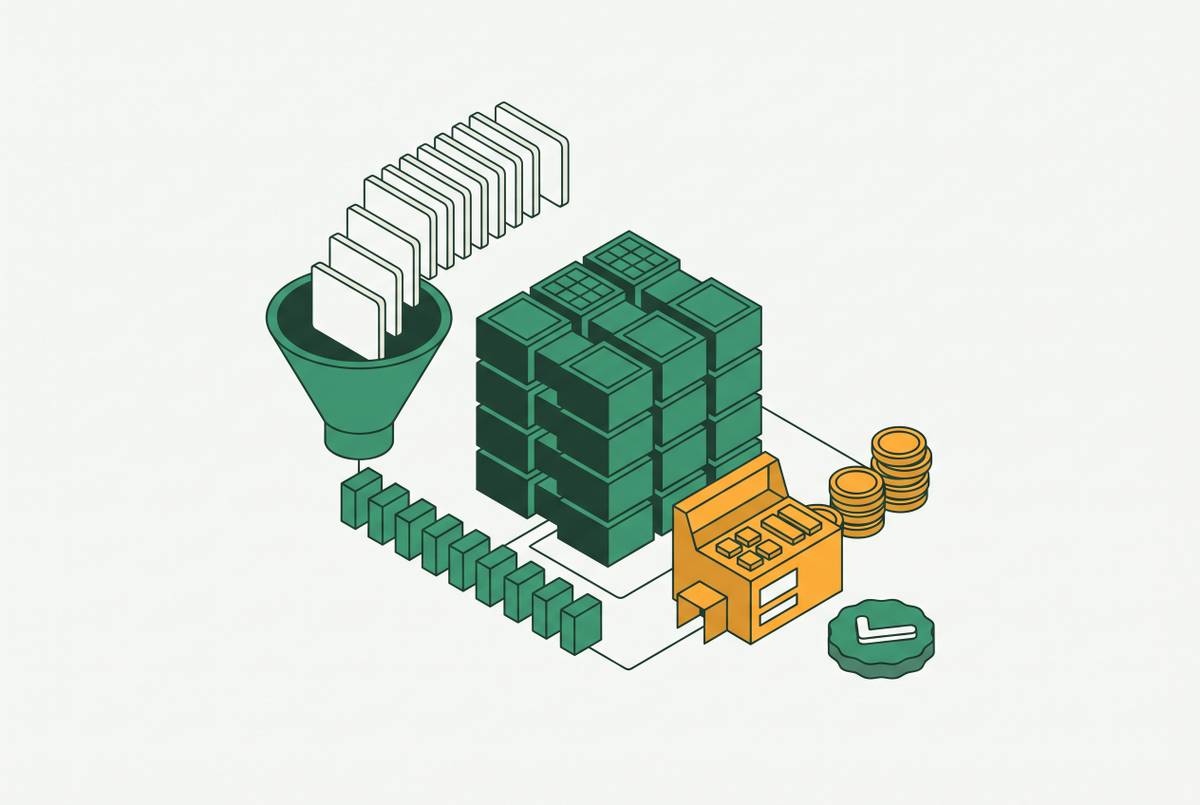
License fees cover only a fraction of what commission software actually costs over five years.
Base pay and quota matter more than the headline commission rate in shaping actual earnings.
Linking rewards to revenue gain eliminates budget fights and makes programs self-sustaining.
Security certifications are the table stakes, not the full vetting.
Commission disputes often stem from stale CRM data, not calculation errors.
Choose software when plan complexity, not headcount, demands it.
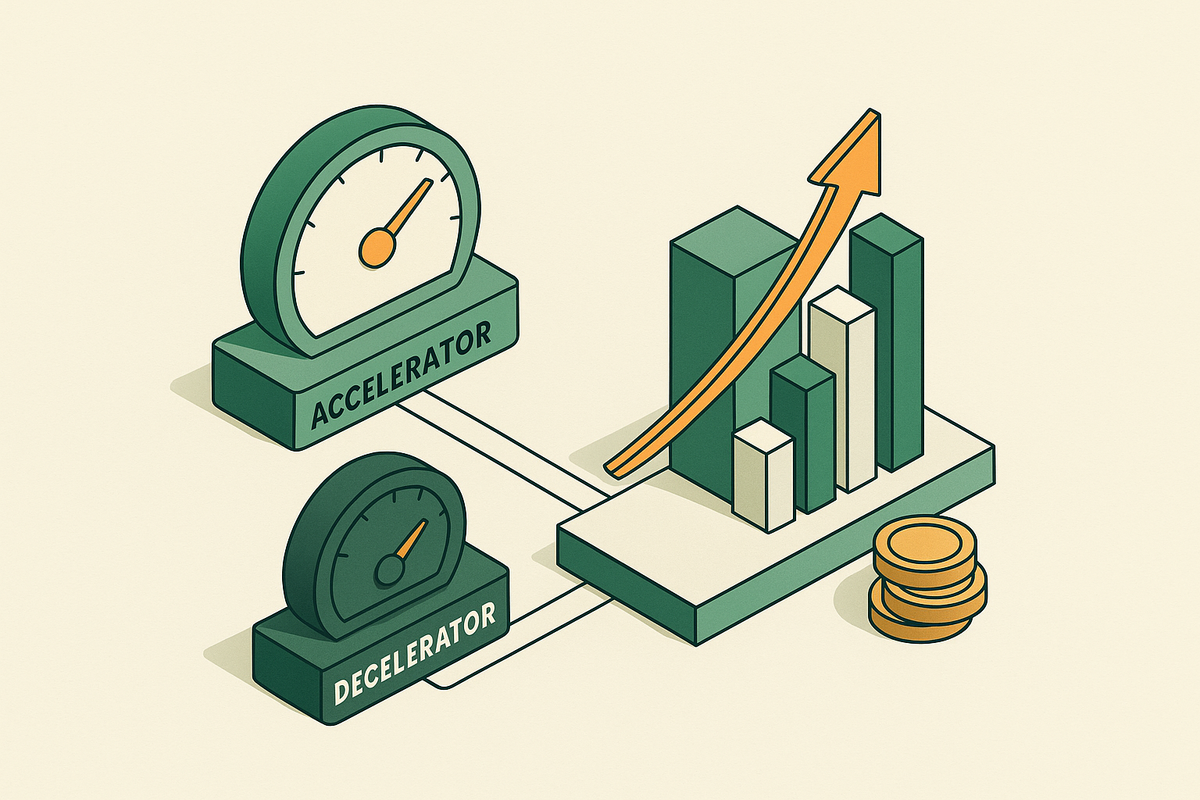
Accelerators reward overperformance; decelerators fund it without crushing comp budgets.
Revenue-based plans reward volume while margin plans align rep incentives with actual profitability.
Align SaaS compensation to recurring revenue retention, not booking volume.